DNA Repair:
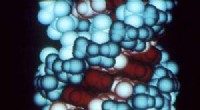
1. Function: DNA repair mechanisms work continuously to identify and correct errors or damage in an organism's DNA sequences. These mechanisms include base excision repair, nucleotide excision repair, mismatch repair, and double-strand break repair, among others.
2. Scope: DNA repair processes focus on maintaining genetic integrity within an individual organism's existing genome. They ensure the accuracy and stability of genetic information passed from one generation of cells to the next through mitosis (asexual cell division).
3. Genetic Variation: DNA repair primarily preserves the existing genetic information and does not introduce significant genetic variation. However, certain DNA repair pathways, such as non-homologous end joining, can lead to small insertions or deletions during the repair process, contributing to genetic diversity within a limited range.
4. Asexual Reproduction: Organisms capable of asexual reproduction, like bacteria and some plant species, rely primarily on DNA repair mechanisms to perpetuate their genetic material without the need for sex.
Sexual Reproduction:
1. Function: Sexual reproduction involves the fusion of gametes (sex cells) from two different individuals of the same species. This fusion leads to genetic recombination, resulting in offspring with a mix of genetic traits from both parents.
2. Scope: Sexual reproduction creates genetic diversity within a population by combining the genetic material of two individuals. It leads to the creation of unique offspring with novel genetic combinations, enhancing evolutionary potential and adaptation.
3. Genetic Variation: Sexual reproduction shuffles and recombines genetic sequences through processes like meiosis and crossing over. This process introduces significant genetic variation, allowing for the emergence of new advantageous traits and the elimination of harmful ones through natural selection.
4. Evolutionary Advantage: The genetic diversity generated by sexual reproduction allows for better adaptation to changing environmental conditions and enhances the overall resilience and survival of a species in the long term.
In summary, DNA repair plays a crucial role in maintaining the accuracy of an organism's existing genetic material, while sexual reproduction introduces genetic variation necessary for evolution and adaptation within populations. Both processes are essential for the stability, survival, and diversification of species over time.