1. Ligand Binding:
- Protein receptors have specific binding sites for their corresponding ligands, which are molecules that interact with them.
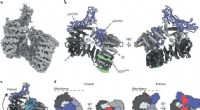
- When a ligand binds to the receptor, it induces a conformational change in the receptor protein.
2. Receptor Activation:
- The conformational change triggered by ligand binding leads to the activation of the receptor.
- This activation can involve changes in the receptor's structure, exposing or creating new binding sites for downstream signaling molecules.
3. Signal Transduction:
- Once activated, the receptor initiates signal transduction pathways.
- These pathways involve a cascade of molecular interactions, often involving the phosphorylation or modification of other proteins.
- These signaling pathways ultimately lead to specific cellular responses, such as enzyme activation, gene expression, or changes in membrane potential.
4. Receptor Deactivation:
- To maintain cellular homeostasis and prevent excessive or prolonged responses, protein receptors undergo deactivation.
- Deactivation can occur through several mechanisms:
- Ligand Dissociation: The ligand may dissociate from the receptor, causing it to return to its inactive conformation.
- Receptor Internalization: The receptor-ligand complex may be internalized into the cell, removing it from the cell surface and terminating the signal.
- Receptor Phosphorylation: Receptor deactivation can also occur through phosphorylation by specific kinases, which alters the receptor's structure and affinity for ligands.
5. Desensitization and Adaptation:
- Over time, cells may undergo desensitization to continuous or excessive stimulation.
- This involves a decrease in the responsiveness of receptors to their ligands.
- Desensitization can occur through various mechanisms, including receptor internalization, phosphorylation, and changes in downstream signaling components.