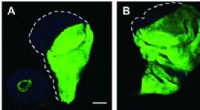
1. Epidermal Stem Cells: The epidermis, the outermost layer of the skin, contains epidermal stem cells responsible for maintaining and renewing the skin's protective barrier. These stem cells are located within specialized niches and contribute to the constant replenishment of keratinocytes, the main cell type of the epidermis.
2. Stem Cell Hierarchy: Skin stem cells exist in a hierarchical organization. Epidermal stem cells at the basal layer of the epidermis give rise to transit-amplifying cells that further divide and differentiate into specialized skin cells, including keratinocytes, melanocytes, and Langerhans cells. This hierarchical organization ensures a continuous supply of new skin cells throughout life.
3. Microenvironment and Niche: Stem cells within the skin are influenced by their surrounding microenvironment, or niche, which regulates their behavior and self-renewal. The niche provides essential signaling molecules, growth factors, and extracellular matrix components that dictate stem cell fate, proliferation, and differentiation. Disruption of the niche can impair stem cell function and contribute to skin disorders.
4. Aging and Stem Cells: Skin aging involves a decline in stem cell activity, a process influenced by various factors, including genetic predisposition, environmental stress, and hormonal changes. Decreased stem cell function can lead to reduced tissue regeneration, thinner skin, and the formation of wrinkles and age spots. Understanding the mechanisms underlying stem cell aging is crucial for developing anti-aging strategies.
5. Wounding and Regeneration: Upon skin injury, stem cells play a critical role in wound healing and tissue regeneration. Local stem cells become activated and proliferate to replace damaged tissue. Growth factors and cytokines released during the inflammatory response following injury stimulate stem cells and guide their differentiation into the appropriate cell types needed for repair.
6. Stem Cell Therapy: Insights gained from skin biology contribute to the development of stem cell therapies. Scientists study the behavior and properties of skin stem cells to engineer tissues that can be transplanted to treat skin defects, burns, and other skin conditions. Transplantation of stem cell-based skin substitutes has shown promise in clinical trials, demonstrating the potential for regenerative medicine.
In summary, skin biology offers a window into the world of stem cells, providing valuable insights into their regulation, behavior, and contribution to tissue development, homeostasis, and repair. By understanding the intricacies of skin stem cell biology, we can not only gain a deeper understanding of fundamental biological processes but also pave the way for innovative therapeutic approaches.