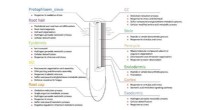
* A new biosensor could help doctors identify patients who are most likely to respond to cancer immunotherapy.
* The biosensor measures the levels of a protein called PD-L1 in a patient's tumor.
* PD-L1 is a protein that helps cancer cells evade the immune system.
* Patients with high levels of PD-L1 are more likely to respond to cancer immunotherapy.
* The biosensor could help doctors select the best treatment for patients with cancer.
Cancer immunotherapy is a type of cancer treatment that uses the body's immune system to fight cancer. It works by blocking proteins on cancer cells that help them evade the immune system. This allows the immune system to recognize and kill cancer cells.
PD-L1 is a protein that is expressed on cancer cells. It binds to a receptor on immune cells, which sends a signal to the immune cells to ignore the cancer cells. This allows cancer cells to grow and spread unchecked.
Patients with high levels of PD-L1 are more likely to respond to cancer immunotherapy. This is because cancer immunotherapy is more effective at killing cancer cells that express PD-L1.
The new biosensor could help doctors identify patients who are most likely to respond to cancer immunotherapy. This would allow doctors to select the best treatment for patients with cancer.
The biosensor is a small device that is placed on a patient's tumor. It measures the levels of PD-L1 in the tumor and sends the results to a computer. The computer then analyzes the results and determines whether the patient is a good candidate for cancer immunotherapy.
The biosensor is still in the early stages of development, but it has the potential to revolutionize cancer treatment. It could help doctors select the best treatment for patients with cancer and improve their chances of survival.