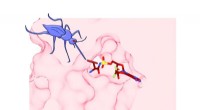
1. DNA Damage: UV radiation penetrates the skin and reaches the DNA of skin cells. It damages the DNA structure by causing mutations, particularly in the genes that control cell growth and repair.
2. Mutations in Key Genes: Mutations in specific genes, such as the tumor suppressor gene p53 and the oncogene BRAF, can disrupt normal cell function. These mutations allow skin cells to grow uncontrollably and resist apoptosis (programmed cell death).
3. Formation of Sunburns and Sun Damaged Skin: Repeated exposure to UV radiation can cause sunburns, characterized by inflammation and damage to the skin. Over time, chronic sun exposure leads to cumulative DNA damage, which increases the risk of developing skin cancer.
4. Impaired Immune Function: UV radiation can suppress the immune system's ability to recognize and destroy abnormal skin cells. This impairment allows mutated cells to evade detection and continue to grow unchecked.
5. Alteration of Cell Signaling Pathways: UV radiation can interfere with cell signaling pathways that control cell growth, proliferation, and differentiation. This disruption can lead to uncontrolled cell growth and the development of skin cancer.
6. Formation of Precancerous Lesions: Prolonged sun exposure can cause the development of actinic keratosis, which are scaly, rough patches on the skin. These lesions are considered precancerous and may progress to squamous cell carcinoma if not treated appropriately.
7. Development of Skin Cancers: Over time, the accumulation of DNA damage and the disruption of cellular processes can lead to the development of various types of skin cancer, including basal cell carcinoma, squamous cell carcinoma, and the most aggressive form, melanoma.
It's important to protect your skin from excessive sun exposure by using sunscreen, wearing protective clothing, and seeking shade during peak sunlight hours. Regular self-skin exams and consultations with a dermatologist can help detect and address any suspicious skin changes early on.