*A new study has measured the rate of evolution in real-time, providing insights into how quickly genomes change.*
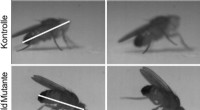
The study, published in the journal Nature Ecology & Evolution, used a new method to track the evolution of 1,000 fruit flies over 50 generations. The researchers found that the flies' genomes changed at a rate of about 0.02% per generation.
This rate of evolution is much faster than previously thought. It means that the genomes of organisms can change significantly over relatively short periods of time.
The study also found that the rate of evolution was not constant. It was highest in the early generations of the experiment, when the flies were adapting to their new environment. The rate of evolution then slowed down as the flies became better adapted to their environment.
The findings of this study have important implications for our understanding of evolution. They show that evolution can happen much more quickly than previously thought, and that it is not a constant process.
The study also provides insights into how organisms adapt to new environments. The researchers found that the flies' genomes changed in ways that made them better adapted to their new environment. For example, the flies evolved genes that helped them to resist heat and cold, and genes that helped them to find food.
The findings of this study could have important applications for medicine and agriculture. For example, understanding how organisms evolve could help us to develop new drugs and treatments for diseases. It could also help us to develop crops that are more resistant to pests and diseases.
Source:
*Nature Ecology & Evolution* (2018). "Evolution caught in the act: Scientists measure how quickly genomes change."