The respiratory system is a complex network of organs and tissues that work together to bring oxygen into the body and expel carbon dioxide. The main components of the respiratory system are the lungs, airways, and blood vessels.
* The lungs are two large, spongy organs located on either side of the heart. The lungs are made up of millions of tiny air sacs called alveoli. The alveoli are lined with capillaries, which are tiny blood vessels.
* The airways are a series of tubes that connect the lungs to the nose and mouth. The airways are lined with cilia, which are tiny hairs that help to move mucus and foreign particles out of the lungs.
* The blood vessels carry oxygen-rich blood from the heart to the lungs and carbon dioxide-rich blood from the lungs to the heart.
The respiratory system is essential for life. Without oxygen, the body's cells would not be able to function properly. Carbon dioxide is a waste product that is produced by the cells in the body. If carbon dioxide levels in the blood become too high, they can lead to respiratory acidosis.
How respiratory tubes and capillaries form
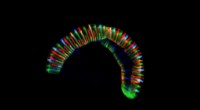
The respiratory system begins to develop in the embryo at around 4 weeks of gestation. The first step in the development of the respiratory system is the formation of the respiratory tubes. The respiratory tubes are formed from a tube of tissue called the endoderm. The endoderm is the innermost layer of tissue in the embryo.
As the embryo develops, the endoderm tube grows and branches into two main branches. These branches are the future trachea and bronchi. The trachea is the windpipe, and the bronchi are the two main airways that lead into the lungs.
The trachea and bronchi continue to branch and subdivide as the embryo develops. The smallest branches of the bronchi are called bronchioles. The bronchioles end in tiny sacs called alveoli. The alveoli are lined with capillaries, which are tiny blood vessels.
The capillaries are formed from a network of blood vessels that surround the alveoli. The capillaries are so small that red blood cells can only pass through them one at a time. This allows for a close exchange of oxygen and carbon dioxide between the blood and the air in the alveoli.
The development of the respiratory system is a complex process that is essential for life. By understanding how the respiratory system develops, we can gain a better understanding of how it functions and how to treat respiratory diseases.