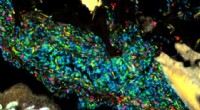
Published in the prestigious scientific journal Nature Microbiology, the study unraveled the intricate processes by which certain bacteria can exploit weak points in the intestinal barrier. Using cutting-edge imaging techniques, the researchers were able to visualize in unprecedented detail how the bacteria leverage unique biochemical signals and physical interactions to pass through the tight junctions linking the epithelial cells.
Key Findings of the Study:
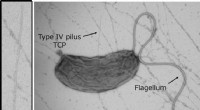
Specialized Receptors: The research team identified specific receptors present on the surface of certain bacteria that enable them to recognize and bind to molecules called claudins and occludin. These molecules are like gates or "gatekeepers" that regulate the openings between epithelial cells.
Biochemical Communication: The bacteria secrete special molecules that interact with the claudins and occludin, triggering a sequence of biochemical events inside the epithelial cells. This interaction weakens the connections between the cells, creating temporary gaps that allow the bacteria to sneak through.
Physical Squeezing: The bacteria exhibit a remarkable ability to morph their shape, enabling them to squeeze through the constricted spaces between epithelial cells. This unique physical characteristic enhances their capacity to infiltrate the tissue barrier.
Implications for Health and Disease:
Understanding how bacteria infiltrate the intestinal barrier is of immense significance in both health and disease. Intestinal microbial communities play crucial roles in various physiological functions such as digestion, immune development, and protecting against infections. However, an imbalance or disruptions in this microbial ecosystem (known as dysbiosis) can contribute to several digestive diseases, including inflammatory bowel disease (IBD) and Crohn's disease.
The study's findings could pave the way for novel therapeutic strategies aimed at preventing or modulating harmful bacteria from breaching the intestinal barrier, potentially leading to more effective treatments for dysbiosis-related ailments.
In conclusion, the groundbreaking research from the University of Gothenburg not only advances our fundamental understanding of intestinal bacterial behavior but also holds promise for future developments in the management and treatment of digestive disorders.