Key Findings:
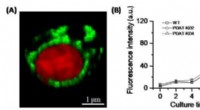
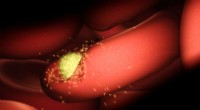
Intracellular Replication: The research team revealed that Legionella pneumophila, upon infecting human macrophages, undergoes intracellular replication within a specialized compartment called the Legionella-containing vacuole (LCV). This unique replication strategy allows the bacteria to evade the host's immune defenses and multiply rapidly.
Effector Proteins: Legionella pneumophila employs a sophisticated arsenal of effector proteins, which are delivered into the host cell via a specialized type IV secretion system. These effector proteins manipulate various host cell processes, such as vesicular trafficking, immune signaling, and apoptosis, to create a favorable environment for bacterial replication and survival.
Immune Evasion: One of the key effector proteins, AnkB, plays a pivotal role in immune evasion. AnkB disrupts the host's innate immune response by interfering with the function of the inflammasome, a multi-protein complex responsible for triggering inflammation. By suppressing inflammation, Legionella pneumophila can persist intracellularly and cause persistent infections.
Implications and Future Directions:
The findings of this study have significant implications for understanding the pathogenesis of Legionnaires' disease and developing novel treatment strategies. By targeting specific effector proteins or disrupting the intracellular replication cycle of Legionella pneumophila, researchers can potentially develop more effective therapies to combat this life-threatening infection.
Furthermore, this research highlights the importance of further investigating intracellular bacterial pathogens and their interactions with host cells. By unraveling the molecular mechanisms underlying bacterial proliferation, immune evasion, and disease progression, researchers can identify new vulnerabilities that can be exploited for therapeutic interventions.
In conclusion, this study represents a major breakthrough in understanding the pathogenesis of Legionnaires' disease, paving the way for the development of more targeted and effective treatment approaches to combat this devastating infection.