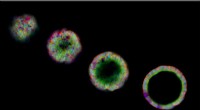
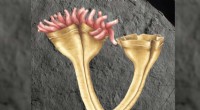
The process, known as autophagy, is essential for maintaining cellular homeostasis and preventing the accumulation of damaged proteins and organelles that can lead to disease.
In a study published in the journal Nature, the researchers showed that autophagy is regulated by a protein called ATG16L1. ATG16L1 is a component of the autophagy machinery that helps to recruit other proteins to the site of damaged proteins and organelles.
The researchers found that ATG16L1 is also essential for the formation of autophagosomes, the double-membrane vesicles that engulf damaged proteins and organelles. Without ATG16L1, autophagosomes cannot form and autophagy is impaired.
The researchers also showed that ATG16L1 is required for the clearance of damaged mitochondria, a process known as mitophagy. Mitophagy is essential for preventing the accumulation of damaged mitochondria, which can release harmful reactive oxygen species that can damage DNA and other cellular components.
The researchers say that their findings provide new insights into the regulation of autophagy and mitophagy. These processes are essential for maintaining cellular homeostasis and preventing the accumulation of damaged proteins and organelles that can lead to disease.
"Autophagy is a critical cellular process that helps to maintain cellular homeostasis and prevent disease," said Dr. Beth Levine, Professor of Internal Medicine and Microbiology at UT Southwestern Medical Center and senior author of the study. "Our findings provide new insights into the regulation of autophagy and mitophagy, which could lead to new therapies for diseases such as cancer, neurodegenerative disorders, and aging."