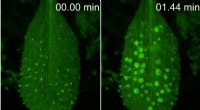
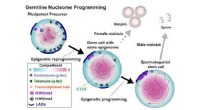
The genome is not a static entity, but rather a dynamic structure that is constantly changing and evolving. This dynamism is essential for the proper functioning of the organism, as it allows for the adaptation to changing environments and the development of new traits.
How the Genome Affects Gene Expression
The genome affects gene expression in a number of ways. First, the genome provides the instructions for the synthesis of proteins, which are the building blocks of cells and the molecules that carry out most of the functions of the organism. Second, the genome contains regulatory elements, which control when and where genes are expressed. Third, the genome undergoes a number of chemical modifications, such as DNA methylation and histone modification, which can alter gene expression.
The Role of the Genome in Development
The genome plays a critical role in development, as it provides the instructions for the formation of the organism's body plan and the differentiation of cells into different types. This process is controlled by a complex network of genes, regulatory elements, and chemical modifications that work together to ensure that the organism develops properly.
The Developing Genome
The developing genome is a rapidly changing and evolving structure that is essential for the proper functioning of the organism. By understanding the dynamics of the genome, we can gain a better understanding of how organisms develop and how they adapt to their environments.
Here are some specific examples of how the genome affects gene expression and development:
* DNA methylation: DNA methylation is a chemical modification that can turn genes "off" or "on." This process is essential for the proper development of the organism, as it allows for the differentiation of cells into different types. For example, in mammals, DNA methylation is essential for the development of the brain and the immune system.
* Histone modification: Histones are proteins that DNA wraps around to form chromosomes. Histone modifications can alter the structure of chromatin, which can affect gene expression. For example, histone acetylation is associated with gene activation, while histone deacetylation is associated with gene repression.
* Regulatory elements: Regulatory elements are DNA sequences that control when and where genes are expressed. These elements can be located either upstream or downstream of the gene, and they can act by binding to transcription factors, which are proteins that turn genes "on" or "off."
The genome is a complex and dynamic structure that plays a critical role in the proper functioning of the organism. By understanding the dynamics of the genome, we can gain a better understanding of how organisms develop and how they adapt to their environments.