The species-area relationship (SAR) describes the relationship between the number of species found in a given area and the size of that area. It is one of the most fundamental and well-studied patterns in ecology.
The SAR has been observed in a wide variety of taxa and habitats, and it has been used to study topics such as species distributions, biodiversity conservation, and the effects of habitat fragmentation.
Underlying mechanisms for SAR:
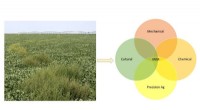
- Habitat heterogeneity: Larger areas typically contain a greater diversity of habitats, which can support a greater number of species.
- Sampling effects: Larger areas are more likely to be sampled more intensively, which can lead to the discovery of more species.
- Predator-prey interactions: The number of predators in an area may limit the number of species that can coexist, as some species may be more vulnerable to predation than others.
- Competition for resources: In a given area the more species there are, the greater the competition for resources such as food and space. This increased competition can limit the number of species that can coexist in a given area.
The exact shape of the species-area relationship varies depending on the specific taxa and habitats being considered. However, the general pattern is that the number of species increases with increasing area, but at a decreasing rate. This suggests that the factors that contribute to the species-area relationship become less important as the area becomes larger.
The species-area relationship is a powerful tool for understanding species distributions and biodiversity conservation. It can be used to predict the number of species that are likely to be found in a given area, and can help to identify areas that are important for biodiversity conservation.
SAR in conservation biology:
The species-area relationship has important implications for conservation biology. Smaller areas are more vulnerable to extinction, especially those containing rare or specialist species. Additionally, habitat fragmentation can reduce available habitat area, altering the shape and position of the species-area relationship. Conservation efforts should therefore focus on protecting larger areas, prioritizing areas with high biodiversity and ensuring connectivity between habitats.