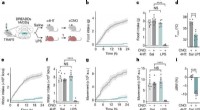
1. Asymmetrical Brain Development: The researchers found that handedness is associated with differences in the structure of the brain's motor cortex, which is responsible for planning and executing movements. Specifically, they observed that in right-handed individuals, the motor cortex in the left hemisphere is slightly larger and more strongly connected than its counterpart in the right hemisphere. This asymmetry in brain structure may contribute to the preference for using the right hand.
2. Genetic Factors: The study also revealed the involvement of genetic factors in determining handedness. By studying identical and fraternal twins, the researchers found that handedness is highly heritable, with estimates of heritability as high as 25%. This suggests that specific genetic variations may influence the development of handedness.
3. Role of Environmental Factors: While genetics play a significant role, the researchers also found evidence suggesting that environmental factors can influence handedness. They observed that in some cases, identical twins displayed different handedness, indicating that non-genetic factors can contribute to the development of hand preference.
4. Lateralized Brain Functions: Handedness is associated with lateralization, the specialization of brain regions for specific functions. In most individuals, language processing is primarily localized in the left hemisphere, and handedness preference aligns with this dominance. The researchers suggest that the asymmetry in brain structure and function observed in handedness may also reflect underlying differences in the lateralization of language processing.
5. Implications for Brain Plasticity: The findings have implications for understanding brain plasticity and developmental processes. The researchers suggest that the brain's capacity to organize itself asymmetrically may contribute to the emergence of handedness and other cognitive traits during early development. Further research is needed to explore how handedness and lateralization interact with other aspects of brain development and behavior.
In conclusion, the study conducted by UCSF researchers sheds light on the complex interplay of genetic and environmental factors in shaping handedness. By investigating brain structure, genetics, and environmental influences, they have provided a more comprehensive understanding of how humans develop preferences for using one hand over the other. These findings contribute to our knowledge of brain development, handedness, and the underlying neural mechanisms that shape individual differences.