Abstract:
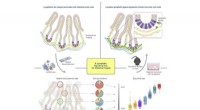
Understanding and controlling the spatial distribution of cells in microenvironments is of paramount importance in tissue engineering, regenerative medicine, and fundamental studies of cellular interactions. This article provides a comprehensive overview of various strategies employed to manipulate the spatial arrangement of cells within three-dimensional (3D) microenvironments. We discuss approaches based on microfabrication, self-assembly, and dynamic culture conditions. Each strategy is evaluated based on its strengths, limitations, and potential applications in tissue engineering and beyond. We highlight recent advances in bioprinting, microfluidics, and biomaterial design that have enabled precise control over cell placement and organization in 3D structures. Furthermore, we explore emerging techniques utilizing spatiotemporal cues, biophysical stimuli, and synthetic biology tools to direct cell behavior in dynamic microenvironments. This review aims to guide researchers in selecting the most suitable strategy for their specific applications, ultimately contributing to the development of more sophisticated and functional tissue constructs.
Introduction:
The spatial organization of cells plays a crucial role in diverse biological processes, including tissue development, homeostasis, and disease progression. In tissue engineering and regenerative medicine, mimicking the native cellular architecture is essential for creating functional tissue replacements. Researchers have developed numerous strategies to control the spatial distribution of cells within microenvironments, ranging from 3D culture systems to biomaterial-based approaches.
Microfabrication Techniques:
Microfabrication methods, such as photolithography, soft lithography, and 3D printing, enable the precise patterning of cells and biomaterials at the microscale. This approach allows for the creation of intricate structures and precise control over cell placement, which is valuable for modeling tissue architectures and studying cell-cell interactions.
Self-Assembly Strategies:
Self-assembly approaches harness the inherent properties of cells and biomaterials to form organized structures without external manipulation. This includes cell-cell interactions, biomaterial-mediated assembly, and supramolecular interactions. Self-assembly techniques offer advantages such as scalability, simplicity, and biocompatibility, making them suitable for tissue engineering applications.
Dynamic Culture Conditions:
Dynamic culture conditions involve subjecting cells to various physical and chemical cues to influence their behavior and spatial organization. This includes mechanical forces, electrical stimulation, chemical gradients, and co-culture systems. By carefully controlling these dynamic conditions, it is possible to guide cell migration, differentiation, and organization within 3D microenvironments.
Emerging Techniques:
Recent advancements have introduced innovative strategies to control the spatial distribution of cells. These techniques draw inspiration from synthetic biology, spatiotemporal cues, and biophysical stimuli. For instance, synthetic biology tools enable the engineering of cells to respond to specific signals or cues, allowing for dynamic control over cell behavior. Spatiotemporal cues involve the controlled presentation of growth factors or extracellular matrix components to direct cell migration and organization. Biophysical stimuli, such as mechanical cues, electric fields, or light, can also be harnessed to guide cell behavior in 3D environments.
Applications in Tissue Engineering:
The ability to control cell spatial distribution holds significant promise in tissue engineering and regenerative medicine. This enables the creation of organized tissue constructs with enhanced functionality and biomimetic microenvironments. By mimicking the native tissue architecture, these engineered tissues can improve cell-cell interactions, promote tissue regeneration, and facilitate the development of perfusable vascular networks.
Conclusion:
The precise control of the spatial distribution of cells in microenvironments is crucial for advancing our understanding of cellular interactions and tissue development. Various strategies, such as microfabrication, self-assembly, dynamic culture conditions, and emerging techniques, provide versatile tools to manipulate cell organization. By harnessing these approaches, researchers can design more sophisticated tissue constructs and improve their functionality for a wide range of applications in tissue engineering and regenerative medicine.