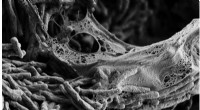
Carbon Sequestration: Biochar is produced by the pyrolysis (heating in the absence of oxygen) of organic materials such as agricultural waste, forestry residues, and municipal solid waste. During this process, a significant portion of the carbon present in the feedstock is converted into a stable, carbon-rich material known as biochar.
When biochar is added to soils, it can act as a long-term carbon sink. The carbon in biochar is highly resistant to decomposition, meaning that it can remain in the soil for hundreds to thousands of years. By sequestering carbon in soils, biochar helps reduce the amount of carbon dioxide (CO2), a potent greenhouse gas, in the atmosphere.
Methane (CH4) Reduction: Biochar can also contribute to the reduction of methane emissions, another important greenhouse gas. Methane is produced by anaerobic decomposition, a process that occurs when organic matter breaks down in the absence of oxygen.
Biochar has a high affinity for methane and other volatile organic compounds. When it is added to environments with a high potential for methane production, such as landfills, anaerobic digesters, or rice paddies, biochar can absorb and retain methane. This reduces methane emissions into the atmosphere, contributing to climate change mitigation.
Soil Fertility Improvement: Biochar can positively impact soil fertility and health. It contains various essential plant nutrients, such as nitrogen, phosphorus, potassium, and micronutrients. By adding biochar to soils, nutrient retention and availability can be enhanced, leading to improved crop growth and yields.
Healthy and productive soils also support increased plant growth and biomass production. As plants grow, they absorb CO2 from the atmosphere through photosynthesis, effectively removing greenhouse gases from the air.
Nitrous Oxide (N2O) Mitigation: Nitrous oxide is a powerful greenhouse gas with a high global warming potential. It is primarily emitted from agricultural soils through processes such as nitrification and denitrification.
Biochar can help mitigate N2O emissions from soils by reducing nitrogen losses through leaching and volatilization. It can also enhance nitrogen retention and availability, minimizing the need for synthetic nitrogen fertilizers. By optimizing nitrogen use efficiency in agriculture, biochar contributes to the reduction of N2O emissions and the overall environmental impact of agricultural practices.
Overall, biochar's ability to sequester carbon, reduce methane and nitrous oxide emissions, and improve soil fertility makes it a promising tool in the fight against climate change and efforts to mitigate greenhouse gas emissions.