Define: Stem cells are defined by their ability to self-renew and differentiate into various specialized cell types.
Clues to understanding how stem cells produce different kinds of cells:
* Gene expression: The genes that are expressed in a stem cell determine its potential to differentiate into different cell types.
* Transcription factors: Transcription factors are proteins that control the expression of genes. Different transcription factors are expressed in different stem cells, and these factors play a key role in determining the fate of the stem cell.
* Epigenetic modifications: Epigenetic modifications are changes to the DNA that do not change the actual sequence of the DNA. These modifications can affect the expression of genes and play a role in determining the fate of a stem cell.
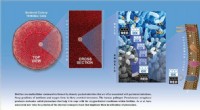
* Microenvironment: The microenvironment of a stem cell is the environment in which the cell lives. The microenvironment can influence the differentiation of stem cells.
By understanding the factors that control the differentiation of stem cells, scientists can develop new ways to use stem cells to treat diseases and injuries.