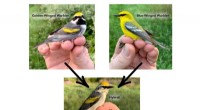
In species where males engage in high levels of EPRs, sexual dimorphism may evolve due to several factors:
1. Sperm Competition: When males face intense sperm competition, they may evolve traits that enhance their chances of fertilizing females' eggs. This can lead to the evolution of larger testes, longer penises, and elaborate courtship displays. These traits are often sexually selected and can result in increased male dimorphism.
2. Female Choice: Females may prefer to mate with males exhibiting certain physical characteristics, leading to the evolution of male traits that appeal to females. For instance, in some bird species, males with brighter plumage or more elaborate songs may be more successful in attracting females, leading to increased male ornamentation.
3. Sexual Conflict: EPRs can create conflicts between males and females over paternity and reproductive strategies. This conflict can drive the evolution of different adaptations in males and females to maximize their reproductive success. For example, males may evolve larger body sizes and aggressive behaviors to defend their mates and offspring, while females may develop strategies to resist unwanted matings or choose extra-pair partners based on specific traits.
4. Differential Resource Allocation: In some species, males and females may have different roles in parental care and resource allocation. If males invest heavily in paternal care, they may face trade-offs between investing in parental effort and expressing sexually selected traits. This can result in males evolving smaller body sizes and reduced sexual dimorphism compared to females.
It is important to note that the evolution of sexual dimorphism is not solely driven by EPRs but is influenced by various ecological and evolutionary factors. However, EPRs can contribute to the selection and reinforcement of sexually dimorphic traits, particularly when they lead to increased reproductive success for individuals with specific physical characteristics.