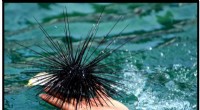
As the sea slug embarks on its culinary journey, it indiscriminately samples a diverse array of marine organisms. This includes tiny plankton, delicate algae, and even formidable creatures like stinging jellyfish and venomous sea urchins. Some of these experiments end with the sea slug relishing a newfound delectable treat, while others result in unpleasant experiences, causing the slug to quickly eject the offending substance and learn from its mistake.
Through this unique trial-and-error approach, the predatory sea slug gradually accumulates knowledge about what to eat and what to avoid. This evolutionary strategy provides the sea slug with an edge in survival and ensures its continued success in the competitive marine environment. Over generations, the sea slug passes down its acquired wisdom to its offspring, resulting in a collective database of edible and toxic organisms within the species.
What makes the predatory sea slug even more intriguing is its ability to utilize the toxins it ingests from certain organisms for its own defense. By accumulating these toxins in its tissues, the sea slug transforms itself into a formidable predator deterrent, effectively communicating to other animals that it is unpalatable and even potentially dangerous to consume. This clever adaptation further enhances its chances of survival in a world teeming with predators.
In conclusion, the predatory sea slug serves as a captivating example of the remarkable adaptability and diversity found in the natural world. Through its daring gastronomic explorations and accumulation of knowledge, the sea slug teaches us the importance of experimentation and learning from our experiences in the pursuit of survival and success.