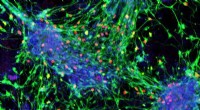
The researchers found that breast tumor cells can become dormant by entering a state of "cellular quiescence." In this state, the cells are not dividing and are essentially "sleeping." Dormant tumor cells are very difficult to detect and can remain in the body for years before they start to grow again and form new tumors.
The researchers also found that dormant tumor cells can be "awakened" by a variety of factors, including inflammation, hormonal changes, and chemotherapy. When dormant tumor cells are awakened, they start to divide and grow again, leading to the spread of the disease.
The researchers believe that their findings could lead to new treatments for breast cancer that prevent or delay the spread of the disease. By targeting dormant tumor cells, these treatments could help to improve the outlook for breast cancer patients.
"This study provides new insights into the biology of breast cancer metastasis and could lead to the development of new therapies that target dormant tumor cells," said Dr. Laura Esserman, director of the UCSF Carol Franc Buck Breast Care Center and senior author of the study.
"We are excited about the potential of this research to make a real difference in the lives of breast cancer patients," said Dr. Priscilla Brastianos, a UCSF breast cancer surgeon and co-author of the study.
The research team is currently conducting clinical trials to test new treatments that target dormant tumor cells. The results of these trials could have a major impact on the treatment of breast cancer.