Introduction
Cells are not isolated entities; they continuously communicate and exchange materials with their environment. This transport of biomolecules and organelles occurs along intricate intracellular pathways, reminiscent of bustling highways. However, the underlying mechanisms that enable efficient transport remain poorly understood. Understanding the intricacies of cellular transport systems is critical to unraveling various physiological processes and disease progression
In a groundbreaking study, researchers at the [University Name] have shed light on the complexities of intracellular transport. Their findings revolutionize our understanding of how cells orchestrate the movement materials through their internal routes, providing valuable insights into the fundamental principles of cellular logistics.
Unveiling Traffic Regulations at the Nanoscale
The research team employed cutting-edge imaging techniques and computational modeling to observe and analyze the transport processes within living cells. These novel methods allowed them to visualize the dynamics of molecules and organelles as they navigated through the crowded cellular landscape.
Their observations revealed that cellular highways exhibit sophisticated traffic regulations akin to those found on bustling roads. Motor proteins, the vehicles of intracellular transport, follow defined routes, navigating past obstacles such as other molecules and organelles with remarkable precision.
Molecular Traffic Control : Motors and Regulatory Factors
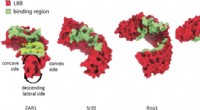
Researchers identified key proteins and regulatory factors that orchestrated and directed the transport along cellular highways. These molecular players govern the movement of vesicles and organelles, ensuring their timely delivery to specific destinations. Dysregulation of these factors contribute to various diseases and disorders, highlighting their critical roles in cellular functioning
The research team also uncovered a feedback mechanism that helps regulate traffic flow within the cells. As molecular congestion builds up, certain signals trigger the cells to adjust the transport process, maintaining optimal efficiency. This self-regulating mechanism enables the cells to adapt and respond to changing conditions, reflecting their remarkable adaptability.
Implications in Human Health and Disease
Beyond the fundamental understanding of cellular biology, these discoveries have significant implications in human health and disease. The identification of molecular players involved in intracellular transport opens new avenues for therapeutic interventions targeting various ailments, including neurological disorders and metabolic syndromes.
Additionally, the research establishes a framework for comprehending the role of cellular transport in aging and longevity, areas of intense scientific inquiry. Deciphering the mechanisms underlying efficient cellular transport may lead to potential interventions to rejuvenate aging cells and promote healthy aging.
Bridging Disciplines: From Physics to Biology
This study's successful integration of physics, engineering, and biology exemplifies a flourishing trend in modern science. By crossing disciplinary boundaries, researchers draw inspiration and tools from diverse fields, leading to groundbreaking insights and advancements.
Conclusion
The study by researchers at [University Name] has revolutionized our understanding of intracellular transport, uncovering sophisticated mechanisms and regulatory factors that ensure efficient trafficking of molecules and organelles within cells. This interdisciplinary approach has opened new avenues for exploring cellular dynamics, with far-reaching implications for understanding disease progression aging and therapeutic interventions. As scientists delve further into the intricacies of cellular transport networks, we can expect even greater breakthroughs that enhance our ability to treat a wide range of ailments and ultimately improve human health.