The lungs are a complex organ system that is essential for life. They are responsible for the exchange of oxygen and carbon dioxide between the air and the bloodstream. The structure of the lungs has been shaped by a number of factors, including fluid dynamics and transport.
Fluid Dynamics
The air that we breathe moves through the lungs in a complex pattern. This pattern is determined by the laws of fluid dynamics, which govern the motion of fluids. The speed and direction of the air flow through the lungs is influenced by the shape of the airways, the viscosity of the air, and the pressure gradient between the lungs and the atmosphere.
The shape of the airways is such that the air flow is directed towards the alveoli, which are the small sacs in the lungs where gas exchange takes place. The alveoli are lined with a thin layer of fluid, which helps to slow down the air flow and allows the oxygen and carbon dioxide to diffuse across the alveolar wall.
Transport
The oxygen and carbon dioxide that are exchanged between the air and the bloodstream are transported through the lungs by the process of diffusion. Diffusion is the movement of molecules from an area of high concentration to an area of low concentration.
The concentration of oxygen is higher in the air than it is in the bloodstream, so oxygen diffuses from the air into the bloodstream. The concentration of carbon dioxide is higher in the bloodstream than it is in the air, so carbon dioxide diffuses from the bloodstream into the air.
The Evolution of the Lungs
The lungs have evolved over millions of years to become the complex organ system that they are today. The shape of the airways and the thin layer of fluid lining the alveoli are just two of the features that have been shaped by fluid dynamics and transport.
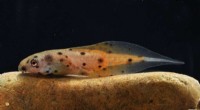
The evolution of the lungs has been driven by the need for animals to breathe oxygen. The first animals to evolve lungs were aquatic creatures that lived in shallow water. These animals had simple lungs that were lined with a thick layer of fluid. As animals moved onto land, they needed to evolve more efficient lungs that could extract oxygen from the air.
The lungs of land animals are much more complex than the lungs of aquatic animals. They have a larger surface area for gas exchange, and they are lined with a thin layer of fluid that helps to slow down the air flow and allows for efficient diffusion of oxygen and carbon dioxide.
The evolution of the lungs is a testament to the power of natural selection. Over millions of years, the lungs have been shaped by fluid dynamics and transport to become the complex organ system that they are today.
Conclusion
The lungs are a complex organ system that is essential for life. They are responsible for the exchange of oxygen and carbon dioxide between the air and the bloodstream. The structure of the lungs has been shaped by a number of factors, including fluid dynamics and transport. The evolution of the lungs has been driven by the need for animals to breathe oxygen. Over millions of years, the lungs have been shaped by natural selection to become the complex organ system that they are today.