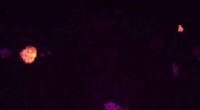
In a recently published article in the journal Current Biology, the research team used cutting-edge imaging techniques and fossil analysis to investigate the ultrastructure and phylogenetic distribution of bi- and tricellular pollen, as well as intermediate forms known as sub-tricellular pollen. They examined thousands of pollen grains from living and extinct angiosperms, spanning a wide range of evolutionary lineages.
The key finding of their study challenges the prevailing hypothesis that sub-tricellular pollen is an intermediate stage on the evolutionary pathway from bi- to tricellular pollen. Instead, their results suggest a more complex evolutionary scenario.
Lead author Dr. Hervé Sauquet, Associate Professor at Stockholm University and Senior Curator at the Swedish Museum of Natural History, explains, "Tricellular pollen seems to have originated from sub-tricellular pollen and bi- and tricellular pollen might have been evolving in parallel pathways, rather than the former being an antecedent of the latter."
To support this revised hypothesis, the research team presented extensive evidence of repeated independent origins and losses of bi- and tricellular pollen types throughout the evolutionary history of angiosperms. Additionally, they found that these pollen types display intricate geographical distributions that suggest complex historical relationships to both habitat preferences and pollination biology.
This novel understanding refines our knowledge of angiosperm diversification and underscores the importance of examining a broad range of morphological and phylogenetic data to decipher complex evolutionary histories. As Dr. Sauquet concludes, "Unveiling the history of pollen characters brings us closer to a full understanding of how ecological drivers shape biodiversity."
Further research into the genetics and functional implications of these distinct pollen types will be necessary to provide a more complete picture of the factors that have influenced the evolution and diversification of angiosperms throughout Earth's history.