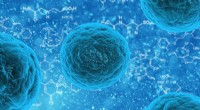
One of the key questions driving this research is how the diverse microbial communities in cheese come to be. As milk undergoes fermentation and maturation, it hosts a complex interplay of microorganisms, including bacteria, yeasts, and molds. These microbes contribute to the development of cheese's characteristic flavors, textures, and aromas.
To gain insights into this microbial assembly process, researchers employ a variety of techniques. They analyze the microbial DNA present in cheese samples, allowing them to identify and characterize the different species involved. This helps in understanding the composition and diversity of the microbial communities.
Another approach involves culturing and isolating specific microorganisms from cheese. This enables researchers to study the individual properties and behaviors of these microbes and how they interact with one another. By examining their growth patterns, metabolic activities, and interactions, scientists can piece together the mechanisms by which microbial communities form and evolve.
Furthermore, researchers investigate the influence of environmental factors on microbial communities in cheese. They examine how variations in temperature, pH, moisture, and other conditions impact the growth and interactions of microbes. This knowledge is vital for optimizing cheesemaking processes and ensuring the consistency and quality of cheese products.
Studying microbial communities in cheese also sheds light on the intricate relationships between microorganisms and their environment. Cheese provides a unique microenvironment where microbes compete, cooperate, and adapt to survive. Understanding these microbial interactions can advance our knowledge of ecological principles and contribute to the broader field of microbial ecology.
In conclusion, the study of microbial communities in cheese serves as a valuable tool for exploring the complexities of microbial assembly, interactions, and ecological dynamics. By unlocking these secrets, researchers can gain insights that not only enhance cheesemaking practices but also contribute to our understanding of microbial ecosystems in various contexts.