A microchip that mimics the conditions inside the body has revealed how tumor cells transition to an invasive state, a key step in the spread of cancer.
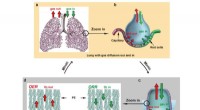
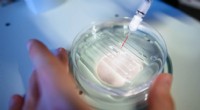
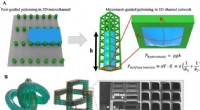
The microchip, developed by researchers at the University of California, San Francisco (UCSF), is able to create a 3D environment that closely resembles the extracellular matrix (ECM) that surrounds cells in the body. The ECM is a complex network of proteins and other molecules that provides structural support for cells and regulates their behavior.
In healthy tissues, the ECM helps to keep tumor cells in check. However, when tumor cells become malignant, they can secrete enzymes that break down the ECM, allowing them to escape from the primary tumor and invade surrounding tissues.
The UCSF microchip is able to mimic this process by exposing tumor cells to a variety of ECM components and mechanical forces. This allows researchers to study the molecular changes that occur in tumor cells as they transition to an invasive state.
The researchers found that several key signaling pathways are activated in tumor cells during the invasion process. These pathways include the PI3K/AKT pathway, the MAPK pathway, and the TGF-beta pathway. These pathways are known to play a role in cell growth, survival, and migration.
The researchers also found that the ECM can influence the expression of genes in tumor cells. For example, the presence of collagen, a major component of the ECM, was found to upregulate the expression of genes involved in cell migration and invasion.
The findings from this study provide new insights into the molecular mechanisms that control tumor cell invasion. This information could lead to the development of new drugs that target these pathways and prevent tumor cells from spreading to other parts of the body.
"Our microchip provides a unique platform for studying the complex interactions between tumor cells and the ECM," said study lead author Dr. Shannon Stowers. "This research could lead to new therapies that prevent tumor cells from spreading and improve the outlook for cancer patients."
The study was published in the journal Nature Communications.