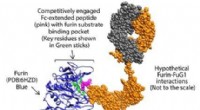
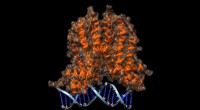
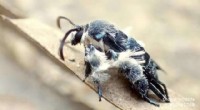
The hormone, called ecdysone, is produced by the brain and controls the molting process, which is essential for growth and development in insects. By understanding how ecdysone works, scientists could develop ways to disrupt the molting process and prevent insects from reaching adulthood.
The study, published in the journal Nature Communications, was led by researchers at the University of California, San Francisco. The team used a combination of genetic and biochemical techniques to identify the molecular pathway that ecdysone uses to control molting.
"We found that ecdysone binds to a receptor protein in the brain, which then triggers a cascade of molecular events that leads to the release of molting hormones," said study lead author Dr. Basil Wicky. "By blocking this pathway, we could potentially prevent insects from molting and reaching adulthood."
The findings could have a significant impact on pest control, as many insects are major pests of crops and livestock. Traditional pest control methods, such as pesticides, can be harmful to the environment and human health. The development of new pest control methods that are more targeted and environmentally friendly is urgently needed.
"Our findings provide a new target for pest control," said study senior author Dr. Michael O'Connor. "By disrupting the ecdysone pathway, we could develop new insecticides that are more effective and safer than traditional pesticides."
The researchers plan to continue their studies of the ecdysone pathway in order to develop new pest control methods. They also hope to learn more about the role of ecdysone in other insects, such as butterflies and moths.