Summary:
Cell fusion, a fundamental biological process where two or more cells merge to form a single entity, has long fascinated scientists. Recent research has made significant progress in understanding the intricate mechanisms underlying cell fusion. This breakthrough holds promises for advancing regenerative medicine, tissue engineering, and the study of developmental biology.
Key Findings:
1. Membrane Fusion Dynamics:
Researchers have gained a deeper understanding of the molecular events occurring during membrane fusion. The process involves the close apposition of cell membranes, followed by the merging of lipid bilayers. This delicate dance is orchestrated by fusion proteins, including SNAREs and fusogens, which facilitate membrane remodeling and content mixing.
2. Regulation of Fusion Events:
The research unearthed essential regulatory mechanisms governing cell fusion. Signaling pathways, such as the Wnt and Notch pathways, play crucial roles in controlling the expression of fusion-related proteins. Additionally, researchers identified key transcription factors and epigenetic modifications involved in regulating the fusion process.
3. Impact of Cell Identity:
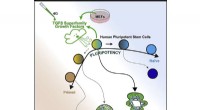
Cell identity emerged as a critical factor influencing cell fusion outcomes. The research revealed that cells with different identities, such as stem cells and differentiated cells, exhibit distinct fusion behaviors. This insight highlights the importance of cellular context in determining fusion compatibility and the potential for generating specific cell types through controlled fusion.
4. Implications in Development and Disease:
The research findings shed light on the role of cell fusion in embryonic development and tissue repair. Abnormal fusion events have been linked to developmental disorders and certain diseases, including cancer. Understanding the mechanisms underlying these aberrant fusions could lead to novel therapeutic strategies.
5. Novel Tools and Techniques:
In the course of their research, scientists developed innovative tools and techniques to study cell fusion. These include advanced microscopy techniques, single-cell analysis methods, and genetic engineering approaches. These tools pave the way for further exploration of cell fusion dynamics at the molecular and cellular levels.
Significance:
The recent research advancements in understanding cell fusion hold immense significance for several fields:
1. Regenerative Medicine:
By manipulating cell fusion processes, scientists can potentially generate specific cell types for tissue repair and regeneration. This approach could revolutionize the treatment of damaged tissues and organs, including in cases of spinal cord injuries and heart disease.
2. Tissue Engineering:
Controlled cell fusion offers exciting possibilities for creating complex tissue constructs. By fusing different cell types, researchers can engineer functional tissues that mimic the intricate structures and functions of native tissues.
3. Developmental Biology:
Deepening our understanding of cell fusion mechanisms will uncover fundamental principles governing embryonic development and tissue morphogenesis. This knowledge will contribute to unraveling the complexities of how organisms form and grow.
4. Cancer Research:
Aberrant cell fusion events have been implicated in certain types of cancer. Studying these abnormal fusions could lead to novel therapeutic strategies for cancer treatment.
Conclusion:
Recent research has made substantial progress in unraveling the intricacies of cell fusion, providing key insights into the molecular mechanisms, regulatory pathways, and implications in development and disease. As the field continues to evolve, the potential applications of cell fusion in regenerative medicine, tissue engineering, developmental biology, and cancer research hold tremendous promise for improving human health and advancing our understanding of fundamental biological processes.