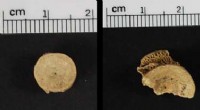
1. Egg Appearance:
Tree sparrows primarily rely on visual cues to identify foreign eggs. They have a keen eye for detecting even subtle variations in egg size, shape, color, and markings. Each female tree sparrow develops a mental template of her own eggs based on experience, which helps her distinguish foreign eggs that deviate from this template.
2. Egg Size:
One of the key factors in egg discrimination is egg size. Tree sparrows lay relatively small eggs, and if they find an egg that is significantly larger or smaller than their own, they are likely to reject it. The size difference triggers a suspicion of foreign origin and prompts them to remove the odd egg from the nest.
3. Egg Color and Markings:
Tree sparrow eggs have a distinct coloration and pattern of markings that are characteristic of their species. Any egg that deviates from this typical appearance is flagged as foreign. The sparrows meticulously inspect the eggs in their nest, paying close attention to color shades, speckling patterns, and the overall visual harmony.
4. Nestling Behavior:
In addition to visual cues, tree sparrows also use behavioral cues to identify foreign eggs. If an egg hatches into a nestling that exhibits unusual behavior, vocalizations, or physical characteristics different from their own young, the adult sparrows may suspect it is not their offspring and reject it accordingly.
5. Olfactory Cues:
Tree sparrows have a keen sense of smell, and they may also use olfactory cues to detect foreign eggs. Each individual sparrow has a unique scent, which is transferred to its eggs. Foreign eggs that carry a different scent are more likely to be recognized as impostors and removed.
6. Learning and Experience:
Tree sparrows learn and refine their egg discrimination skills over time. As they gain experience raising their own young, they become more adept at identifying foreign eggs. This learning process ensures that future generations of tree sparrows inherit and improve upon this remarkable adaptation.
By combining visual, behavioral, olfactory, and learned cues, tree sparrows effectively recognize foreign eggs in their nests and take appropriate action to protect their own genetic lineage and ensure the survival of their species.