• Home
  • Chemistry
  • Astronomy
  • Energy
  • Nature
  • Biology
  • Physics
  • Electronics
  • Iron's Role in Biology: Essential Mineral & Functions
    Yes, iron is a biological element. It is an essential mineral that plays a vital role in many biological processes, including oxygen transport, energy production, and DNA synthesis. Iron is the fourth most abundant element in the Earth's crust, but it is not evenly distributed. It is found in higher concentrations in certain foods, such as red meat, poultry, seafood, beans, and dark leafy greens. Iron deficiency is a common problem, especially among women and children. Iron deficiency can lead to anemia, a condition characterized by a lack of red blood cells. Anemia can cause a variety of symptoms, including fatigue, weakness, shortness of breath, and pale skin.

    Here are some of the biological functions of iron:

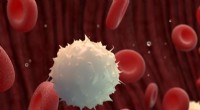
    * Oxygen transport: Iron is a component of hemoglobin, the protein in red blood cells that carries oxygen from the lungs to the rest of the body.

    * Energy production: Iron is also a component of cytochromes, a group of proteins involved in the electron transport chain, which generates energy for the cell.

    * DNA synthesis: Iron is required for the synthesis of DNA, the genetic material of cells.

    * Immune function: Iron is necessary for the proper functioning of the immune system, which protects the body from infection.

    Iron is a vital mineral that plays a role in many essential biological processes. Iron deficiency can lead to anemia, a condition that can cause a variety of symptoms. Eating a healthy diet that includes iron-rich foods can help to prevent iron deficiency.


    Science Discoveries © www.scienceaq.com