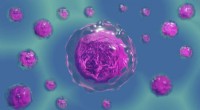
Embryonic Stem Cells:
- Origin: Derived from the inner cell mass of blastocysts, which are early-stage embryos.
- Pluripotency: Embryonic stem cells are pluripotent, meaning they have the potential to differentiate into any cell type of the human body except for cells of the placenta and embryonic membranes.
- Source: Obtained through in vitro fertilization or somatic cell nuclear transfer (SCNT).
- Ethical Considerations: The use of embryonic stem cells raises ethical concerns due to the destruction of human embryos.
Artificial Equivalents:
- Origin: Created through various techniques without the use of human embryos.
- Pluripotency: Some artificial equivalents, such as induced pluripotent stem cells (iPSCs), are pluripotent like embryonic stem cells. Others may have limited potency.
- Source: Generated from somatic cells, such as skin or blood cells, through genetic reprogramming.
- Ethical Considerations: Artificial equivalents avoid the ethical issues associated with embryonic stem cell research.
Comparison:
1. Differentiation Potential: Both embryonic stem cells and certain artificial equivalents, such as iPSCs, have the ability to differentiate into a variety of cell types, making them potentially useful for regenerative medicine. However, the differentiation efficiency and fidelity of artificial equivalents may vary compared to embryonic stem cells.
2. Versatility: Embryonic stem cells are considered more versatile due to their wider differentiation potential. Some artificial equivalents may have more specific or restricted differentiation abilities.
3. Technical Challenges: Artificial equivalents may face technical challenges related to reprogramming, genetic modifications, and ensuring their stability and safety for therapeutic applications.
4. Immune Compatibility: Both embryonic stem cells and artificial equivalents may face immune rejection issues if not properly matched or genetically modified for transplantation.
In summary, while artificial equivalents hold promise as an ethical and alternative source for cell-based therapies, further research is necessary to fully understand their potential and limitations in comparison to embryonic stem cells. Each approach has its own unique advantages and challenges that need to be carefully considered in the context of specific applications.