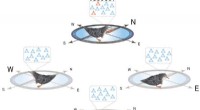
One of the most important components of the cytoskeleton is actin, a thin, flexible filament that forms a meshwork throughout the cell. Actin filaments are responsible for many types of cell movement, including crawling, phagocytosis (the process by which cells engulf and destroy foreign particles), and cytokinesis (the division of a cell into two daughter cells).
Actin filaments are not static structures, but rather are constantly being assembled and disassembled. This dynamic behavior is regulated by a variety of proteins, including motor proteins, which move along actin filaments and carry cellular cargo, and regulatory proteins, which control the assembly and disassembly of actin filaments.
In addition to actin filaments, the cytoskeleton also contains microtubules, which are thicker, more rigid filaments that are responsible for long-distance transport within the cell. Microtubules are also involved in cell division and the organization of the cell's shape.
The cytoskeleton is a complex and dynamic structure that is essential for the function of cells. By understanding how the cytoskeleton works, we can better understand how cells move and change shape, and how these processes are regulated.
Recent research suggests that liquid droplets could explain how our cells move. Liquid droplets are small, spherical structures that are made up of a mixture of water, lipids, and proteins. These droplets are thought to form when the concentration of proteins in a cell becomes too high. The proteins then aggregate together and form a droplet, which is then able to move around the cell.
The movement of liquid droplets is thought to be driven by a number of factors, including the interaction of the droplets with the cytoskeleton and the flow of cytoplasmic fluid. The cytoskeleton provides a scaffold for the droplets to move along, while the flow of cytoplasmic fluid helps to push the droplets around.
The movement of liquid droplets is important for a number of cellular processes, including cell division, migration, and phagocytosis. By understanding how liquid droplets move, we can better understand how these processes work and how they are regulated.