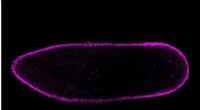
When fruit flies are exposed to heat, they typically retreat to a cooler environment. However, fruit flies that have a mutation in the retreatin gene are unable to do this, and they eventually die from heat stroke.
The researchers found that the retreatin gene is expressed in a specific part of the brain that is responsible for regulating body temperature. They also found that the amount of retreatin protein that is produced increases when fruit flies are exposed to heat. This suggests that retreatin plays a role in helping fruit flies to sense and respond to changes in temperature.
The discovery of the retreatin gene could lead to new treatments for heat-related illnesses in humans. By understanding how fruit flies regulate their body temperature, researchers may be able to develop new ways to help people stay cool in hot weather.
In addition to its potential implications for human health, the study also provides new insights into the evolution of animal behavior. The researchers found that the retreatin gene is conserved across a wide range of animal species, suggesting that it may play an important role in temperature regulation in many different animals.
The study was published in the journal "Current Biology".