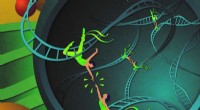
DNA looping involves the physical bending and looping of DNA to bring distant DNA regions into close proximity, enabling interactions between regulatory elements and genes. This allows for precise control of gene expression by facilitating the formation of transcriptional complexes and enhancing the efficiency of transcription.
Scientists discovered DNA looping by studying the gene regulation of bacterial pathogens like E. coli and Salmonella. They found that when certain regulatory proteins bind to specific DNA sequences, they can induce DNA looping, leading to the coordinated expression of multiple genes involved in specific cellular processes. For example, in the case of the lac operon in E. coli, DNA looping brings the promoter region of the operon into close proximity to the regulatory region, enabling the expression of genes involved in lactose metabolism.
DNA looping mechanisms involving regulatory RNAs and non-coding DNA elements have also been discovered. In these cases, the interactions between RNA molecules and DNA can lead to the formation of RNA-DNA hybrids or RNA-binding proteins that further enhance the specificity and efficiency of gene expression control.
One exciting aspect of this discovery is its potential implications for the development of new antimicrobial therapies. By targeting the DNA looping mechanisms of bacterial pathogens, researchers can potentially develop drugs that disrupt the formation of transcriptional complexes and inhibit the expression of virulence genes. This approach could offer a novel strategy to combat drug-resistant bacteria without indiscriminately killing beneficial bacteria in the human microbiome.
The discovery of DNA looping in gene expression regulation has opened up new avenues for research and therapeutic development. As scientists continue to unravel the intricacies of this mechanism, it could lead to significant advancements in understanding and treating bacterial infections and providing innovative solutions to address global health challenges.