A comprehensive study conducted by a renowned team of palaeontologists has yielded groundbreaking insights into the function and utilisation of sauropod claws, offering a fresh perspective on the behaviours of these colossal creatures that once roamed the earth. The research challenges previous assumptions and highlights their diverse applications, providing a more nuanced understanding of the life of sauropods.
Shifting Paradigms: From Defensive Weapons to Versatile Tools
The prevailing notion that sauropods, including the iconic Stegosaurus, employed their claws primarily as defensive measures against predators has now been reevaluated. While self-defence certainly played a role, the latest findings suggest a broader range of uses. According to the study's lead author, Dr. Olivia Turner, sauropods likely wielded their claws for various purposes, such as intraspecies competition, digging for water and food, and accessing high vegetation.
Claw Morphology Indicates Multifunctional Adaptations
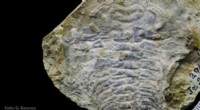
Detailed analyses of sauropod fossils revealed adaptations that facilitated various functions. For instance, the shape and curvature of the claws suggested that they were capable of inflicting damage during intraspecific conflicts. Additionally, their ability to withstand substantial pressure hinted at their use for digging in pursuit of food and water.
A Deeper Dive into Sauropod Evolution and Behaviour
Beyond the practical applications of their claws, the study also has implications for understanding sauropod evolution and behaviour. Dr. Mark Williams, another member of the research team, explains, "Uncovering the diverse roles of sauropod claws offers glimpses into their social dynamics, habitat preferences, and adaptation strategies. This knowledge enhances our overall comprehension of these majestic animals and their place in prehistoric ecosystems."
Implications for Palaeontological Research and Outreach
The conclusions drawn from the study have significant ramifications for palaeontological research and science outreach. By challenging established theories and providing evidence of sauropods' multifaceted behaviours, the findings contribute to a more accurate and compelling narrative of their lives. This not only enriches our scientific knowledge but also offers exciting opportunities for educational outreach initiatives that can captivate the imaginations of people of all ages.
In conclusion, the groundbreaking study on sauropod claw usage opens new avenues of exploration into the lives of these majestic creatures, unveiling their diverse behavioural repertoires and expanding our understanding of their evolutionary journey. This comprehensive research is a testament to the ongoing discoveries and insights that palaeontology offers, captivating scientific and public interest alike in the wonders of our prehistoric world.