Viruses, lacking the cellular structures necessary for independent existence, rely on host cells to replicate and propagate. To achieve this, they employ a variety of strategies to hijack the host cell's machinery, essentially reprogramming it to serve their own purposes. Understanding these mechanisms is essential for combatting viral infections effectively.
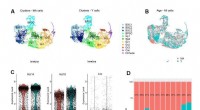
The research team employed cutting-edge imaging techniques, molecular biology assays, and computational modeling to decipher the intricate interactions between viruses and host cells. Their findings revealed that viruses exploit specific cellular pathways, such as endocytosis, protein translation, and RNA metabolism, to facilitate their entry, replication, and assembly within the host cell.
One key finding was the discovery of specific viral proteins that mimic host cell proteins, enabling them to bypass cellular defense mechanisms and gain access to essential resources. Additionally, the researchers identified instances where viruses manipulate the host cell's signaling pathways to suppress antiviral responses and promote their own survival.
These findings shed light on the underlying molecular mechanisms of viral infections and present new avenues for therapeutic intervention. By targeting the specific interactions between viruses and host cells, scientists can develop drugs that disrupt viral hijacking strategies, thereby preventing or inhibiting viral replication.
The study also emphasizes the importance of continued research into viral pathogenesis, as gaining a deeper understanding of viral mechanisms can inform the development of broad-spectrum antiviral drugs and contribute to the fight against emerging viral threats.
Overall, this discovery represents a significant milestone in virology and demonstrates the power of interdisciplinary research in unraveling complex biological processes. It opens up new possibilities for the development of more effective antiviral therapies and provides hope for improved patient outcomes in the face of viral infections.