1. Dental Health: The condition of teeth can provide information about a person's oral hygiene habits and overall health. Cavities, gum disease, and other dental problems can indicate poor dental care, nutritional deficiencies, or underlying health conditions.
2. Diet and Nutrition: Teeth can also reveal a person's dietary habits. The presence of wear and tear on teeth can indicate a diet high in abrasive foods or bruxism (tooth grinding). The presence of certain isotopes in teeth can provide clues about the types of foods consumed, such as a plant-based or animal-based diet.
3. Age Estimation: Teeth can also be used for age estimation, particularly in archaeology and forensic anthropology. This is because teeth develop at a predictable rate and show specific changes over time, such as the eruption of permanent teeth, tooth wear, and root development. By analyzing these features, experts can estimate the age of an individual with reasonable accuracy.
4. Genetic Analysis: Teeth can be a source of valuable genetic information. DNA can be extracted from tooth pulp or root material, which can be used for identification purposes in forensic investigations or for studying genetic relationships and population history.
5. Social Behavior: Teeth can also provide insights into social behavior and cultural practices. For example, the presence of dental modifications such as filing, capping, or inlaying may indicate cultural rituals, social status, or beauty ideals within a society.
6. Migration Patterns: The analysis of teeth can also help in understanding migration patterns. By comparing the teeth of individuals from different geographic regions, researchers can identify similarities or differences in dental characteristics that may indicate common ancestry or migratory movements.
7. Lifestyle and Habits: Teeth can provide clues about a person's lifestyle habits. For instance, heavy smokers may have stained or discolored teeth, while individuals who engage in extreme sports or physical activities may exhibit dental trauma.
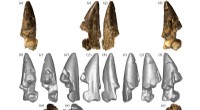
8. Paleoanthropology: In paleoanthropology, the study of ancient teeth plays a crucial role in understanding human evolution. Fossil teeth provide valuable insights into the dietary adaptations, jaw structure, and dental morphology of our ancestors, shedding light on their survival strategies and evolutionary relationships.
By studying teeth, researchers and scientists can gain a better understanding of the lives, behaviors, and histories of modern humans and our ancestors.