1. Wildlife Crossings:
- Install wildlife crossings such as underpasses or overpasses at known animal migration routes. These allow animals to safely cross roads without interacting with traffic.
2. Fencing:
- Erect fences along high-risk roads to guide animals toward wildlife crossings and prevent them from entering the roadway.
3. Reduced Speed Limits:
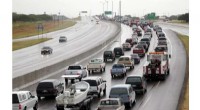
- Implement lower speed limits in areas known for high animal activity. Slower speeds give drivers more time to react and reduces the impact of collisions.
4. Animal Detection Systems:
- Install animal detection systems that use sensors to trigger warning signs when animals are near the road, prompting drivers to slow down.
5. Signage:
- Place wildlife warning signs in areas with frequent animal crossings to alert drivers and encourage caution.
6. Education and Awareness:
- Educate drivers about the importance of being cautious in wildlife zones and the potential risks of roadkill.
7. Roadside Vegetation Management:
- Manage roadside vegetation to reduce the attraction of certain plants to wildlife and prevent animals from entering the road.
8. Animal-Friendly Lighting:
- Use animal-friendly lighting that minimizes glare and disruption to nocturnal animals.
9. Habitat Connectivity:
- Maintain wildlife corridors and provide connectivity between natural habitats to allow animals to move freely without needing to cross roads.
10. Carcass Removal:
- Promptly remove roadkill carcasses to prevent other animals from being attracted to the area and potentially becoming victims themselves.
11. Seasonal Awareness:
- Be mindful of seasonal animal migration patterns and adjust driving behavior accordingly to anticipate increased animal activity.
12. Community Involvement:
- Collaborate with local communities and wildlife organizations to raise awareness and implement roadkill reduction initiatives.
13. Research and Monitoring:
- Conduct research to identify roadkill hotspots and animal behavior patterns to inform effective mitigation strategies.
14. Reporting Roadkill:
- Encourage drivers to report instances of roadkill to local authorities or wildlife organizations to help gather data and track problem areas.
15. Collaborative Planning:
- Involve wildlife experts, ecologists, and transportation planners in road design and maintenance projects to incorporate animal-friendly measures.
By implementing these strategies and working together, we can significantly reduce roadkill and protect wildlife, ensuring greater safety on our roads while preserving biodiversity and the ecological balance of our natural habitats.