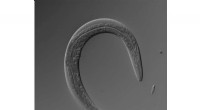
Bacteria come in all shapes and sizes, but they all share one thing in common: they are all very small. The average bacterium is about 1-10 micrometers (µm) in length, which is about 1/1000th of a millimeter. However, some bacteria can be much larger, such as the giant bacterium Epulopiscium fishelsoni, which can grow up to 750 µm in length.
The size of a bacterium is determined by a number of factors, including its genetics, its environment, and the availability of nutrients. However, one of the most important factors that determines how big a bacterium can grow is the amount of fat it makes.
Fats are essential for all living organisms, and bacteria are no exception. Fats provide bacteria with energy, they help to insulate them from the environment, and they play a role in cell signaling. However, the more fat a bacterium makes, the slower it grows. This is because the synthesis of fats requires a lot of energy, and it also slows down the cell division process.
As a result, bacteria that live in environments where there is a lot of available food tend to be larger than bacteria that live in environments where there is less food. This is because bacteria that have access to a lot of food can afford to make more fat, which allows them to grow larger.
The relationship between fat content and growth rate is also evident in the different stages of the bacterial life cycle. When bacteria are first born, they are very small and have a low fat content. However, as they grow older, they start to make more fat and they grow larger. This process continues until the bacteria reach their maximum size.
The maximum size that a bacterium can grow to is determined by its genetics and its environment. However, the amount of fat that a bacterium makes plays a significant role in determining how close it comes to reaching its maximum size.