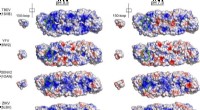
One of the most important resistance genes in wheat is called Fhb1. This gene encodes a protein that helps the plant to recognize and destroy the fungus. However, in the early 2000s, a new strain of _F. graminearum_ emerged that was able to overcome the Fhb1 gene. This new strain quickly spread throughout the world, causing significant losses to wheat farmers.
In response to the new strain of _F. graminearum_, scientists have been working to develop new wheat varieties with resistance genes that are effective against the fungus. However, this is a difficult task, as the fungus is constantly evolving and developing new ways to overcome resistance genes.
The evolutionary arms race between wheat and _F. graminearum_ is a fascinating example of how natural selection can drive the evolution of new traits. It is also a reminder of the constant threat that diseases pose to our food supply.
Additional information:
- Fusarium head blight is a major disease of wheat, barley, and other small grains. It is caused by the fungus _Fusarium graminearum_, which produces mycotoxins that can contaminate the grain and make it unsafe for human consumption.
- Fusarium head blight can cause significant yield losses, and it can also reduce the quality of the grain. In severe cases, it can even lead to crop failure.
- The disease is spread by wind-blown spores, and it can infect plants at any stage of growth. However, it is most damaging when it infects plants during flowering.
- There are a number of management strategies that can be used to reduce the risk of Fusarium head blight, including:
- Using resistant wheat varieties
- Planting wheat at the proper time
- Avoiding over-fertilizing
- Scouting fields for signs of disease and applying fungicides if necessary
- Fusarium head blight is a complex disease, and there is no single solution for managing it. However, by using a combination of management strategies, farmers can reduce the risk of crop losses and improve the quality of their grain.