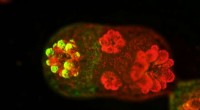
These neurons are located in the mushroom body, which is a brain region that is involved in learning and memory. When a fruit fly encounters a new food, the neurons in the mushroom body fire and create a memory of that food. The strength of the memory is determined by how much the fly likes the food. If the fly really likes the food, the neurons will fire more strongly and the memory will be stronger.
The next time the fly encounters the same food, the neurons in the mushroom body will fire again and the fly will remember that it liked the food. This memory will influence the fly's decision about whether or not to eat the food. If the fly really liked the food the first time, it is more likely to eat it again.
The neurons in the mushroom body are also involved in aversive learning. This is the process of learning to avoid foods that have negative consequences. For example, if a fruit fly eats a food that makes it sick, the neurons in the mushroom body will fire and create a memory of that food. The next time the fly encounters the same food, the neurons will fire again and the fly will remember that it made it sick. This memory will influence the fly's decision about whether or not to eat the food. If the fly remembers that the food made it sick, it is less likely to eat it again.
The neurons in the mushroom body play an important role in controlling what fruit flies choose to eat. These neurons help the flies to learn and remember what foods they like and dislike, and this information influences their decisions about what to eat.
In addition to controlling what fruit flies eat, the neurons in the mushroom body are also involved in other behaviors, such as mating and oviposition (laying eggs). These neurons help the flies to learn and remember what environments are best for these activities, and this information influences their decisions about where to mate and lay their eggs.
The neurons in the mushroom body are a complex and important part of the fruit fly brain. These neurons play a role in a variety of behaviors, and they help the flies to survive and reproduce in their environment.