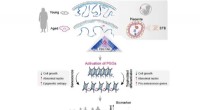
Telomeres are specialized DNA sequences that protect the ends of chromosomes, much like the plastic tips on shoelaces prevent fraying. With each cell division, telomeres gradually shorten, eventually leading to cellular aging and death. This process is part of our natural aging process, but certain factors, such as oxidative stress and inflammation, can accelerate telomere shortening and contribute to premature aging and age-related diseases.
Telomerase: The Enzyme that Maintains Telomere Length
Telomerase is an enzyme that can counteract telomere shortening by adding new DNA sequences to the ends of telomeres. This enzyme is primarily active in stem cells and certain rapidly dividing cell types. In most somatic (non-stem) cells, telomerase activity is low or absent, leading to the gradual shortening of telomeres with each cell division.
The Role of Telomere-Binding Proteins in Telomere Maintenance
Telomere-binding proteins (TBPs) are a group of proteins that play crucial roles in telomere maintenance and stability. These proteins bind to telomeres and protect them from degradation and unwanted recombination. Some of the key telomere-binding proteins include:
Protection of Telomeres 1 (POT1): POT1 is a single-stranded DNA-binding protein that binds to the single-stranded overhang at the ends of telomeres. It helps to protect telomeres from degradation and prevents the ends of chromosomes from fusing with each other.
Telomeric Repeat Binding Factor 1 (TRF1): TRF1 is another important telomere-binding protein that binds to double-stranded telomeric DNA. It helps to maintain the overall structure of telomeres and recruits other proteins involved in telomere maintenance.
TRF2: TRF2 is a telomere-binding protein that interacts with both POT1 and TRF1. It helps to regulate telomere length by modulating telomerase activity and preventing telomere fusions.
Recruitment of Telomerase to Telomeres
Telomerase is recruited to telomeres through the interaction of its RNA component (TERC) with telomere-binding proteins. POT1 and TRF2 have been shown to directly interact with TERC and facilitate the assembly of the telomerase holoenzyme at telomeres.
The Shelterin Complex: A Guardian of Telomeres
The shelterin complex is a group of six proteins that work together to protect telomeres. It consists of POT1, TRF1, TRF2, TIN2, TPP1, and RAP1. The shelterin complex provides structural stability to telomeres, regulates telomerase activity, and prevents the ends of chromosomes from fusing with each other.
Dysfunction of Telomere-Binding Proteins and Telomere Maintenance
Mutations or alterations in the expression of telomere-binding proteins can disrupt telomere maintenance and contribute to cellular aging and disease. For example, defects in POT1, TRF1, or TRF2 have been linked to genetic disorders characterized by premature aging, such as dyskeratosis congenita and Werner syndrome.
Therapeutic Potential of Targeting Telomere-Binding Proteins
Given the crucial role of telomere-binding proteins in telomere maintenance, targeting these proteins holds therapeutic potential for age-related diseases and conditions associated with telomere dysfunction. By modulating the activity or expression of telomere-binding proteins, it may be possible to slow down or even reverse cellular aging and improve health outcomes.
In summary, telomere-binding proteins play a vital role in maintaining telomere integrity and protecting chromosomes. Understanding their functions and interactions provides valuable insights into the aging process and opens up potential avenues for therapeutic interventions aimed at preserving telomere length and promoting healthy aging.