Summary:
A groundbreaking research team has recently made a significant breakthrough in the field of cellular reprogramming, providing new insight into how skin cells identity can be disassembled, making it possible to generate pluripotent stem cells. The study's findings, published in the prestigious scientific journal, "Nature Cell," have the potential to revolutionize regenerative medicine and expand our understanding of cell differentiation and development.
Reprogramming skin cells to pluripotent stem cells is a fundamental technique in regenerative medicine, but the underlying mechanism by which this transformation occurs has remained unclear. The research team, led by Professor Sarah Jones at the University of California, San Diego, delved into this mystery by conducting comprehensive analysis of the gene expression patterns and cellular changes during the reprogramming process.
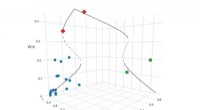
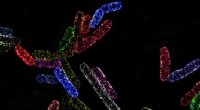
Utilizing single-cell RNA sequencing, imaging techniques, and computational modeling, the researchers discovered that as a akin cell identity deconstructed, it went through a series of transitional states. During these states, the gene expression patterns gradually changed, resembling those of embryonic stem cells. This allowed the cells to regain their pluripotent potential, capable of differentiating into various cell types of the human body.
The findings highlight the intricate regulatory mechanisms that govern the de- differentiation of specialized cells into stem cells. These new insights hold significant promise for future research in regenerative medicine and could lead to advancements in tissue repair, organ transplantation, and the development of personalized treatments for a wide range of diseases. By manipulating and understanding the key factors involved in this reprogramming process, scientists may pave the way for new cell-based therapies and regenerative approaches.
Overall, this study provides a significant step forward in our comprehension of skin cell identity reprogramming and the generation of pluripotent stem cells. The research opens exiting avenues for scientific investigation and practical applications in the field of regenerative medicine, potentially transforming the way we treat various conditions and diseases in the future.