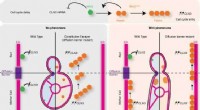
Key findings of the study:
Cold Shock Response: The study found that when Salmonella is exposed to low temperatures, it undergoes a cold shock response. This response involves the production of certain proteins that help the bacteria survive the stress of cold temperatures.
Membrane Damage: Prolonged exposure to low temperatures causes damage to the cell membrane of Salmonella bacteria. The cell membrane is essential for protecting the cell from its surroundings and regulating the transport of nutrients and waste products. Damage to the cell membrane impairs the bacteria's ability to function and eventually leads to cell death.
Protein Misfolding: Low temperatures can cause proteins within the Salmonella cells to misfold or become damaged. Misfolded proteins can aggregate and form clumps, disrupting cellular processes and eventually leading to cell death.
Accumulation of Reactive Oxygen Species (ROS): Exposure to low temperatures can lead to an increase in the production of reactive oxygen species (ROS) within Salmonella cells. ROS are highly reactive molecules that can damage cellular components such as DNA, proteins, and lipids. Accumulation of ROS can cause oxidative stress and contribute to cell death.
Role of Cold-Adapted Proteins: The study also identified several cold-adapted proteins that help Salmonella survive at low temperatures. These proteins contribute to the bacteria's ability to maintain membrane integrity, regulate gene expression, and repair cellular damage caused by cold stress.
In summary, the study provides a detailed understanding of the mechanisms by which Salmonella bacteria die at low temperatures. It highlights the importance of cold shock response, membrane damage, protein misfolding, oxidative stress, and the role of cold-adapted proteins in Salmonella's survival at low temperatures. This knowledge can be leveraged to develop more effective strategies to control Salmonella contamination and prevent foodborne illness.