1. UV-absorbing compounds: Plants produce various compounds that absorb UV radiation, preventing it from reaching the DNA. These compounds include flavonoids, carotenoids, and anthocyanins. Flavonoids and carotenoids are pigments that give plants their colors, while anthocyanins are responsible for the red, purple, and blue colors of many fruits and vegetables.
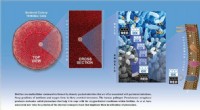
2. DNA repair mechanisms: Plants have efficient DNA repair mechanisms to repair UV-induced DNA damage. These mechanisms include photoreactivation, nucleotide excision repair, and base excision repair. Photoreactivation involves the use of the enzyme photolyase to repair UV-induced DNA damage using visible light. Nucleotide excision repair and base excision repair involve the removal of damaged nucleotides and their replacement with undamaged nucleotides.
3. Physical barriers: Plants have several physical barriers that help protect their DNA from UV radiation. These barriers include the waxy cuticle layer on the surface of leaves and stems, the thick cell walls, and the presence of specialized structures called trichomes, which are small, hair-like structures that can help to block UV radiation.
4. Avoidance: Some plants have evolved to avoid UV radiation by growing in shady areas or by having leaves that are oriented to minimize exposure to UV light. For example, some plants have leaves that are folded or curled, which helps to reduce the surface area exposed to UV radiation.
5. Acclimation: Plants can also acclimate to UV radiation by increasing the production of UV-absorbing compounds and DNA repair enzymes in response to increased UV exposure. This acclimation response helps plants to adapt to changing environmental conditions and protect their DNA from UV damage.
By employing these various mechanisms, plants are able to protect their DNA from the damaging effects of UV radiation and maintain their genetic integrity.