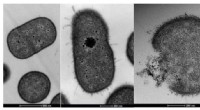
Pierce's disease (PD) is a deadly grapevine disease caused by _Xylella fastidiosa_, a bacterium that lives in the xylem vessels of the plant. PD is spread by sharpshooter insects, which feed on the xylem sap and transmit the bacterium from infected to healthy plants.
Once a grapevine is infected with PD, the bacterium quickly multiplies and spreads throughout the plant's vascular system. The bacteria cause the xylem vessels to become blocked, which prevents water and nutrients from moving from the roots to the leaves. This leads to leaf scorch, wilting, and eventually death of the vine.
In a new study, researchers from the University of California, Davis have gained new insight into how PD kills grapevines. They found that the bacterium produces a toxin called biofilm that disrupts the plant's immune system. Biofilm forms a protective layer around the bacteria, making them more resistant to attack by the plant's defenses.
The researchers also found that biofilm helps the bacteria to spread more quickly through the plant. This is because biofilm can travel through the xylem vessels more easily than the bacteria themselves. As a result, the bacteria can reach more parts of the plant and cause more damage.
The findings of this study provide new insight into the mechanisms by which _Xylella fastidiosa_ causes PD. This information could lead to the development of new strategies for controlling the disease and protecting grapevines.
Here are some additional details about PD and the research findings:
* PD is the most destructive disease of grapevines in the United States. It causes an estimated $100 million in losses each year.
* PD is also a threat to other plants, including citrus trees, almonds, and peaches.
* The sharpshooter insects that spread PD are native to the southeastern United States. However, they have recently spread to other parts of the country, including California.
* The research team used a variety of techniques to study PD, including microscopy, molecular biology, and biochemistry.
* The findings of the study were published in the journal _Plant Physiology_.
This research is a significant step forward in our understanding of PD. The findings could lead to the development of new control strategies that could help to protect grapevines and other plants from this devastating disease.