Decoding Animal Communication:
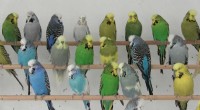
Researchers employ various methodologies to unravel these enigmatic forms of communication, each tailored to the specific species and their characteristics vocalization of birds songs serve as a means of claiming territories, attracting mates, and communicating danger. Scientists studying these bird calls record their songs, analyze their acoustic properties and observe the resulting social behavior to draw inferences about the meaning of these songs.
In the case of dolphins and whales, their intricate communication involves signature whistles and pulsed calls. These sounds can act as a form of identification or relay information about the location of food or potential threats. Scientists use acoustic recording devices and hydrophones to capture these vocalizations and analyze their patterns and sequences.
Visual Cues and Body Gestures:
Beyond acoustic signals, animals also communicate through visual cues and body gestures. The display of colorful plumage in birds, the elaborate dance of bees, or the body postures of primates all convey information. To decipher these visual communication systems, researches combine traditional observation techniques with advanced technologies like videography and photogrammetry, which enables the precise 3D reconstruction of animal movements.
Chemical Communication and Semiochemicals:
The role of chemical signals, known as semiochemicals, is another important aspect of animal communication. These are specialized substances released into the environment to transmit messages to other individuals. For instance, many insect species employ pheromones to attract mates, mark territories, or send alarm signals. Scientists identify and synthesize these semiochemicals to gain insights into their specific roles and effects.
Conclusion:
Exploring the mysteries of animal conversations provides deep insights into the behavior and social dynamics of various species. By employing diverse methodologies and combining advanced technologies with keen observations, scientists continue to unravel the complexities of animal communication, enhancing our understanding of their rich and vibrant interactions in the wild.