The retina is a thin layer of tissue at the back of the eye that contains photoreceptor cells called cones and rods. Cones are responsible for color vision, and there are three types of cones: red, green, and blue. Rods are responsible for vision in low-light conditions.
The development of color vision is a complex process that begins in the womb. By the time a baby is born, they should have fully developed color vision. However, some people are born with color blindness, which is a condition that makes it difficult or impossible to distinguish between certain colors.
Color blindness is caused by a variety of factors, including genetic mutations, damage to the retina, and certain diseases. In most cases, color blindness is not a serious condition and does not interfere with daily life. However, it can be a disadvantage in certain occupations, such as those that require the ability to distinguish between colors.
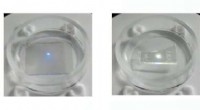
The retinas grown in a dish provide a valuable tool for studying the development of color vision and how color blindness occurs. Researchers can use these retinas to test different treatments for color blindness and to develop new therapies for retinal degenerative diseases.
The study also provides new insights into the development of the human visual system. By understanding how color vision develops, scientists can better understand how the brain processes visual information and how we see the world around us.