Biofilms are often associated with chronic infections that resist traditional antibiotic treatments, posing significant challenges in healthcare settings. The study, published in the journal "Nature Microbiology," untangles the intricate steps that lead to the formation of these deadly colonies.
Key Findings:
1. Self-Formed Protective Barrier:
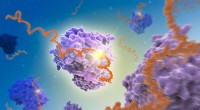
The researchers found that biofilms form when bacteria release specialized proteins called "amyloids." These proteins self-assemble into a dense matrix that shields the bacteria from external threats, including antibiotics.
2. Genetic Switches Trigger Formation:
The production of amyloids is controlled by specific genetic switches within the bacteria. When these switches are activated, usually in response to environmental cues, the bacteria initiate biofilm formation.
3. Cooperation Among Species:
Interestingly, biofilm formation is not limited to a single bacterial species. Different species can cooperate, each contributing specialized proteins that collectively strengthen the biofilm's protective matrix.
4. Implications for Treatment:
Understanding the mechanisms of biofilm formation paves the way for novel treatment strategies. By targeting the genetic switches or interfering with amyloid production, researchers can develop therapies to disrupt biofilm formation and enhance the effectiveness of antibiotics.
5. Potential Biomedical Applications:
The findings could have broader applications beyond biofilm-associated infections. The self-assembly properties of amyloids could potentially be harnessed in advanced biomaterial design and tissue engineering.
Significance and Impact:
This study provides a significant leap forward in understanding the formation of fatal biofilms. By unraveling the intricate molecular mechanisms, researchers gain critical insights into the development and treatment of biofilm-associated infections. The discovery holds promise for the advancement of more effective antimicrobial therapies and novel biomedical applications.