In a world facing the threat of biodiversity loss and rapidly declining ecosystems, a team of dedicated biologists is waging a war on an insidious enemy-invasive species. These non-native flora and fauna, introduced into new environments through human activities,pose significant risks to native ecosystems, disrupting ecological balances,displacing species, and even pushing some to the brink of extinction.
Meet the Conservation Champions
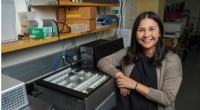
Dr.Amelia Turner, a renowned biologist and leading expert on invasive species, heads a diverse team of scientists,field researchers, conservationists,and volunteers. Together, they form a formidable force committed to protecting vulnerable ecosystems and rescuing endangered species from the clutches of invasive threats.
Their Work in Action
The team's approach to combating invasive species goes beyond mere eradication.They employ a holistic and ecosystem-based approach that seeks to understand the specific dynamics and vulnerabilities of each invaded environment. Here are key elements of their work:
* Research and Assessment:The team first conducts thorough assessments to identify the invasive species,understand their origins and pathways of introduction,and determine the extent of their impact. This knowledge lays the groundwork for developing effective management strategies.
* Community Collaborations:Collaboration with local communities, governments, and indigenous knowledge holders is essential for the team's success. Empowering and involving local stakeholders is key to implementing sustainable,community-driven solutions that respect traditional practices and cultural values.
* Biological Control Methods:Biological control involves the use of natural predators or pathogens to suppress invasive populations. The team carefully selects and releases these biological control agents after rigorous research to ensure their specificity and minimal ecological disruption.
* Habitat Restoration:Invaded ecosystems often require restoration to return to their natural state.The team undertakes habitat restoration projects, such as replanting native vegetation, restoring water quality, and removing barriers to species' migration, to allow the resurgence of native populations.
* Advocacy and Education:Recognising the importance of public awareness, the team engages in outreach and educational initiatives. Through workshops, seminars, and media campaigns,they aim to raise awareness about the threat of invasive species and inspire collective responsibility in protecting biodiversity.
Success stories
The team's efforts have led to noteworthy achievements in the fight against invasive species.One of their significant victories was the eradication of feral cats from a sensitive island ecosystem, resulting in the recovery of critically endangered bird species and the overall revitalisation of the island's unique ecosystem.
In another instance, the team successfully limited the impact of an aggressive plant species by introducing a specialised herbivore that controlled the invasive plant's spread while leaving other plant species unharmed
Challenges and Resilience
Despite their progress, the team faces ongoing challenges. Invasive species are constantly evolving and adapting, requiring the team to stay updated with the latest research and modify their strategies accordingly. Funding constraints and limited resources also pose obstacles,but the team's determination and resilience keep them pushing forward.
Conclusion
The battle against invasive species is a complex and ongoing struggle,but the dedication and expertise of teams like Dr.Amelia Turner's provide a beacon of hope for the preservation of our planet's biodiversity. Their work serves as an inspiration,motivating others to engage in the fight against invasive threats and safeguard our natural ecosystems and threatened species for generations to come.