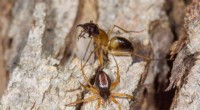
A recent study conducted by researchers delves into the intricate details of how leafcutter ants employ chemical secretions for this purpose. The study focused on two species of leafcutter ants, Atta colombica, and Atta cephalotes, and their interactions with the fungus that forms the basis of their diet, Leucoagaricus gongylophorus.
Key findings of the study include:
1. Antimicrobial Substances: The researchers discovered that leafcutter ants produce a diverse array of antimicrobial substances within their colonies. These substances include antibiotics, antifungal compounds, and other secondary metabolites. These chemicals effectively inhibit the growth and development of pathogenic fungi that could potentially harm the fungus gardens.
2. Chemical Application: Leafcutter ants exhibit remarkable precision when applying the antimicrobial substances. They selectively distribute these chemicals within their colonies, directly targeting areas with a higher risk of fungal contamination, such as the fungus-growing chambers and galleries. This strategic application ensures efficient protection of the fungus gardens.
3. Antifungal Properties: The antifungal compounds produced by the ants directly target the fungal pathogens. The researchers found that these compounds disrupt the cell membranes of fungi, leading to cell death and preventing further growth. This targeted approach allows leafcutter ants to control fungal infections without harming the desirable fungus that provides their food.
4. Behavioral Defenses: In addition to chemical secretions, leafcutter ants employ behavioral defenses to prevent fungal infections. For instance, they discard infected fungal material and maintain high levels of hygiene within the colony. These behaviors complement the chemical defenses, further reducing the risk of fungal contamination.
5. Coevolution: The study suggests a coevolutionary relationship between leafcutter ants and the fungus they cultivate. Over time, both species have adapted and evolved together, resulting in mutualistic benefits. The ants provide a protective environment and antifungal defenses, while the fungus serves as a reliable and nutritious food source.
Significance:
This study contributes significantly to our understanding of the complex interactions between leafcutter ants, their cultivated fungus, and the pathogens that threaten their colonies. By shedding light on the chemical secretions and behavioral defenses employed by leafcutter ants, researchers gain valuable insights into the intricate ecological dynamics within ant colonies.
Furthermore, this knowledge may have practical applications in agriculture and pest management. Studying the natural defenses of leafcutter ants could lead to the development of novel antifungal strategies that can be used to protect crops from fungal diseases, potentially reducing our reliance on synthetic pesticides.
In conclusion, the study provides compelling evidence of the sophisticated defense mechanisms employed by leafcutter ants to protect their vital fungus gardens from fungal infections. Their ability to produce antimicrobial substances and strategically apply them demonstrates the remarkable adaptations and coevolutionary relationships that have shaped the ecological success of leafcutter ant colonies.