In the bustling cellular machinery, a fascinating group of enzymes known as deubiquitylases (DUBs) play a crucial role in maintaining cellular homeostasis and regulating various biological processes. These enzymes are responsible for the delicate task of removing ubiquitin tags, which are small protein modifiers, from their target proteins. This process is essential for reversing protein ubiquitination, a post-translational modification that controls protein trafficking, signaling, and degradation.
For years, scientists have been intrigued by the intricate workings of DUBs and how they manage to selectively remove ubiquitin tags from specific proteins amidst the complex cellular environment. Recent breakthroughs in research have shed new light on the mechanisms employed by these molecular scissors, providing crucial insights into their selectivity, substrate recognition, and catalytic prowess.
Substrate Specificity: Beyond Sequence Recognition
One of the key challenges in understanding DUBs lies in deciphering how they selectively target specific ubiquitin-tagged proteins. Traditionally, it was believed that DUBs achieved this by recognizing specific amino acid sequences within the ubiquitin chain or the substrate protein. However, recent studies have revealed a more nuanced picture.
Researchers have discovered that DUBs utilize a combination of strategies to achieve substrate selectivity. While some DUBs indeed rely on sequence recognition, others employ more sophisticated mechanisms. For instance, some DUBs exploit structural features of the ubiquitin chain, such as its length, topology, and linkage type. Additionally, substrate recognition can be modulated by other cellular factors, such as cofactors and interacting proteins, which further enhance DUB specificity.
Structural Diversity: Unveiling the Toolkit
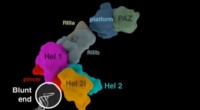
Another captivating aspect of DUB research involves the exploration of their structural diversity. DUBs exhibit a wide range of structural architectures, reflecting their distinct catalytic mechanisms and substrate preferences. These enzymes can be broadly classified into several classes based on their catalytic domains, including cysteine proteases, metalloproteases, and ovarian tumor proteases.
The structural diversity of DUBs translates into functional versatility. Each class of DUB possesses unique features that enable them to tackle different types of ubiquitin linkages. Cysteine proteases are particularly adept at cleaving linear ubiquitin chains, while metalloproteases exhibit broader substrate specificity, handling both linear and branched ubiquitin chains. Ovarian tumor proteases, on the other hand, specialize in removing 'Lys-48'-linked ubiquitin chains, which are crucial for targeting proteins for degradation.
Regulation and Dysregulation: Implications for Human Health
The cellular activities of DUBs are tightly regulated to maintain the delicate balance of ubiquitination and deubiquitylation. Dysregulation of DUBs can disrupt cellular processes and contribute to various diseases, including cancer, neurodegenerative disorders, and immune system dysfunction.
In cancer, for example, certain DUBs can promote tumor growth by stabilizing oncoproteins and inhibiting tumor suppressor proteins. Overexpression of DUBs has been observed in several cancer types, highlighting their potential role in cancer development and progression. Conversely, other DUBs can act as tumor suppressors, underscoring the intricate balance that must be maintained for cellular health.
Conclusion
The recent advancements in our understanding of DUBs have provided tantalizing glimpses into the inner workings of these molecular tidying experts. By unraveling their substrate specificity, structural diversity, and regulatory mechanisms, researchers are gaining valuable insights into how DUBs maintain cellular harmony and contribute to human health. Further exploration of DUBs holds immense promise for the development of novel therapeutic strategies targeting DUB dysregulation in various diseases, paving the way for more precise and effective treatments.